
Sustainability plays a vital role in protecting and renewing natural resources, supporting ecological balance and biodiversity, and safeguarding the environment for future generations.
At Verulam Scientific, we are committed to protecting the natural environment and operating our business as sustainably as possible. While many aspects of our environmental impact can be carefully managed, reducing the carbon footprint associated with everyday business activities remains an ongoing challenge. To help offset our impact and demonstrate our commitment to environmental responsibility, we took a significant step in 2016 by purchasing Outfield Wood, a 12-acre woodland near Finchingfield in North Essex that was in urgent need of restoration and conservation.

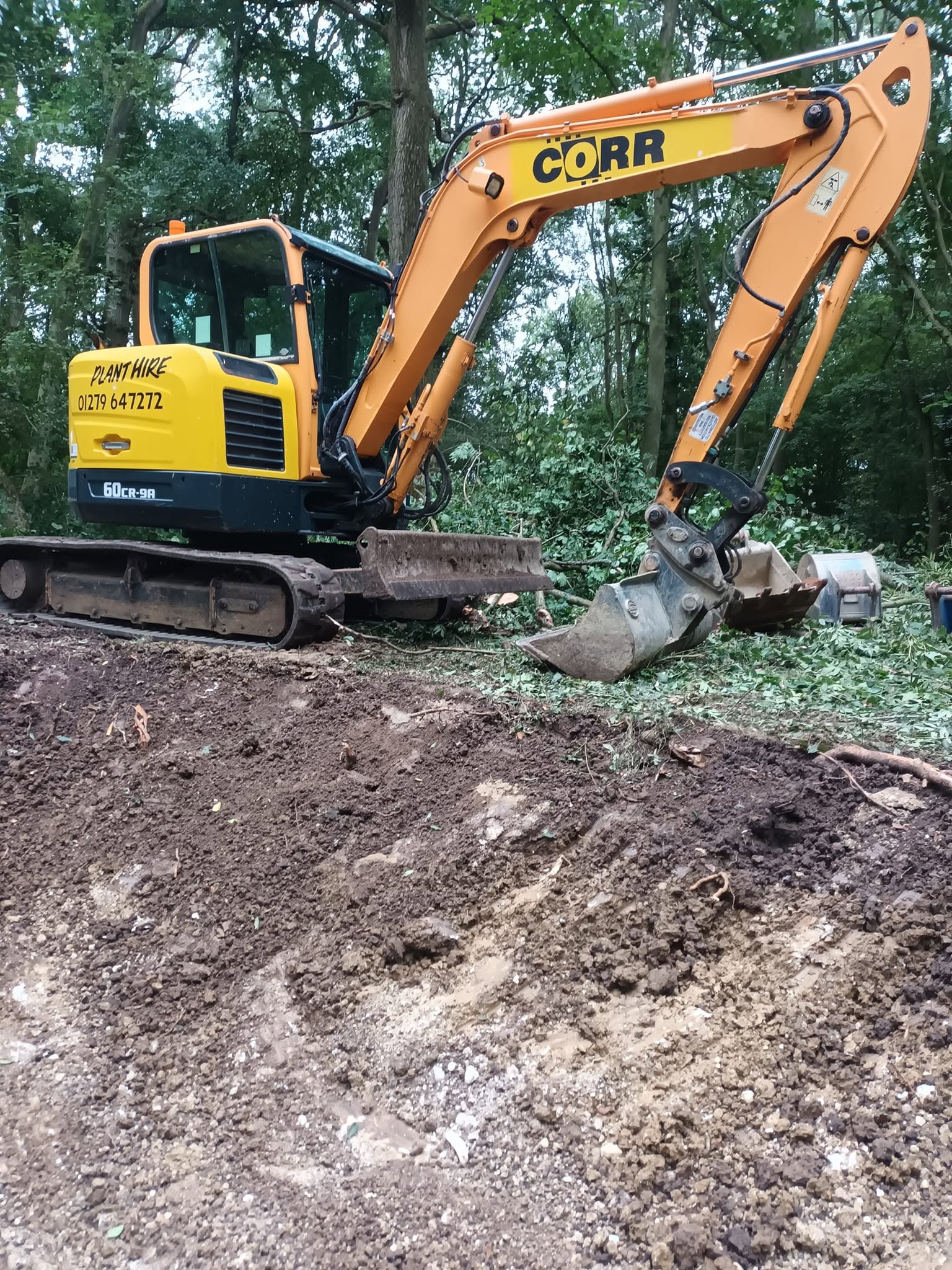
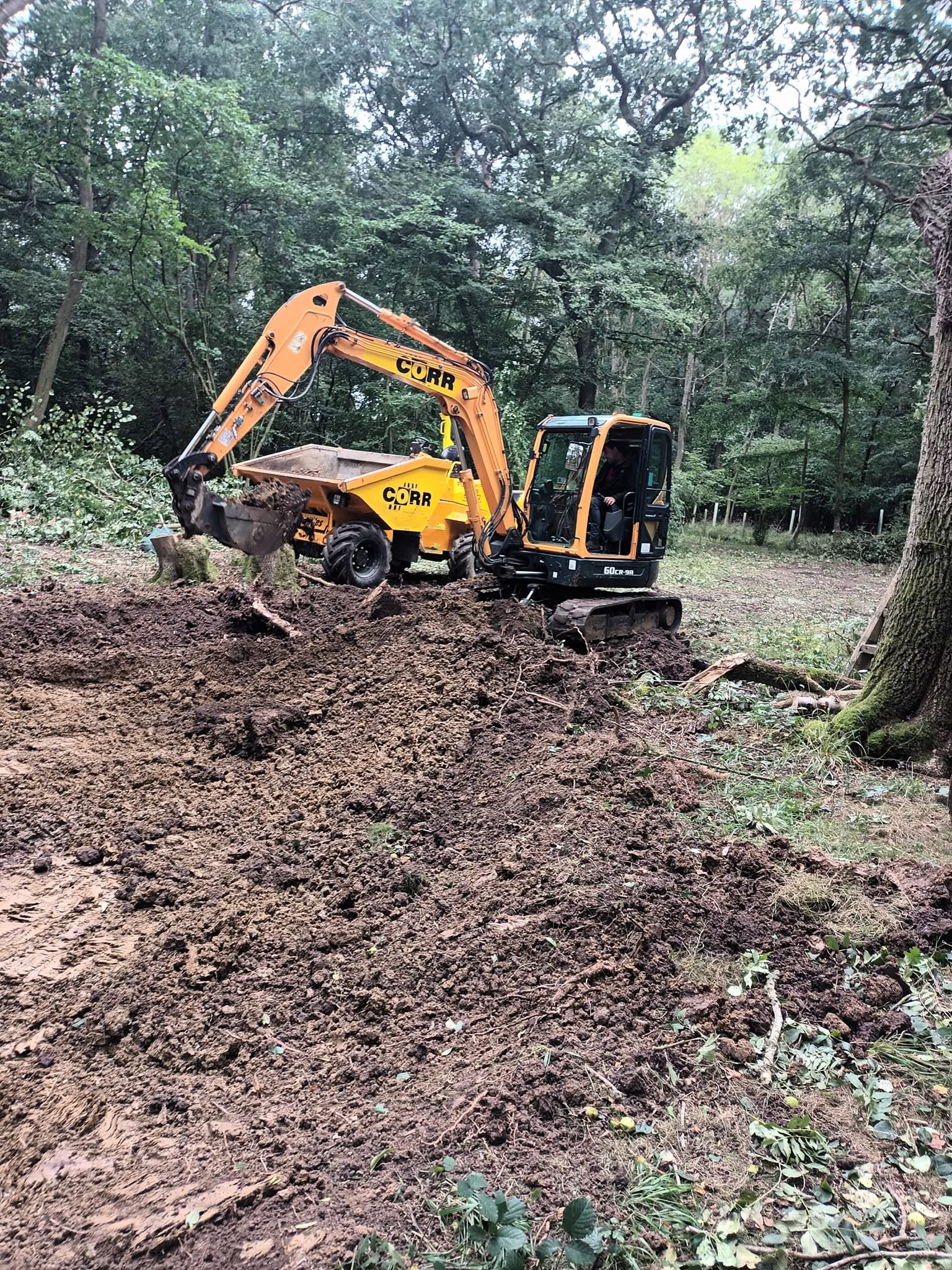
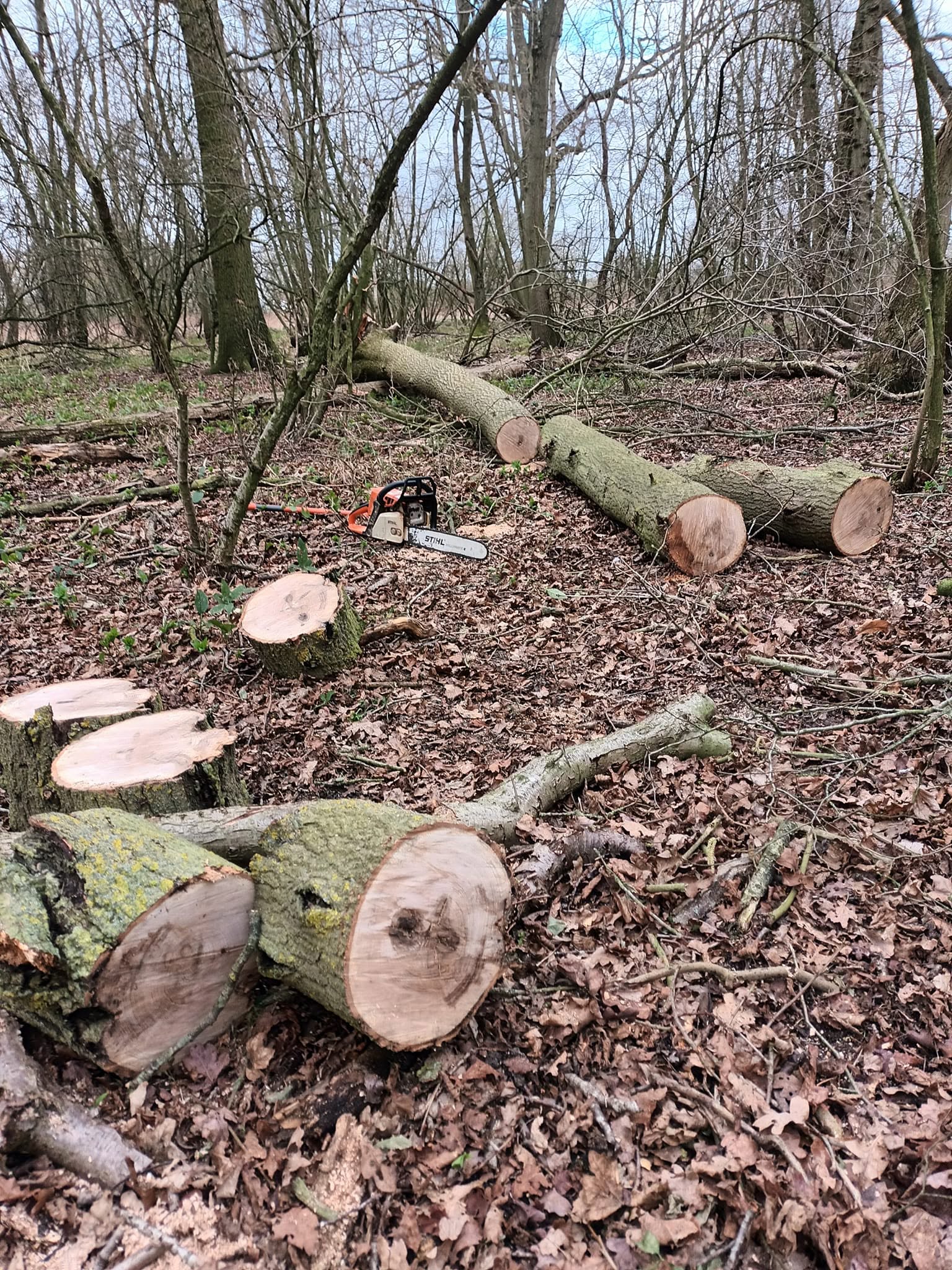
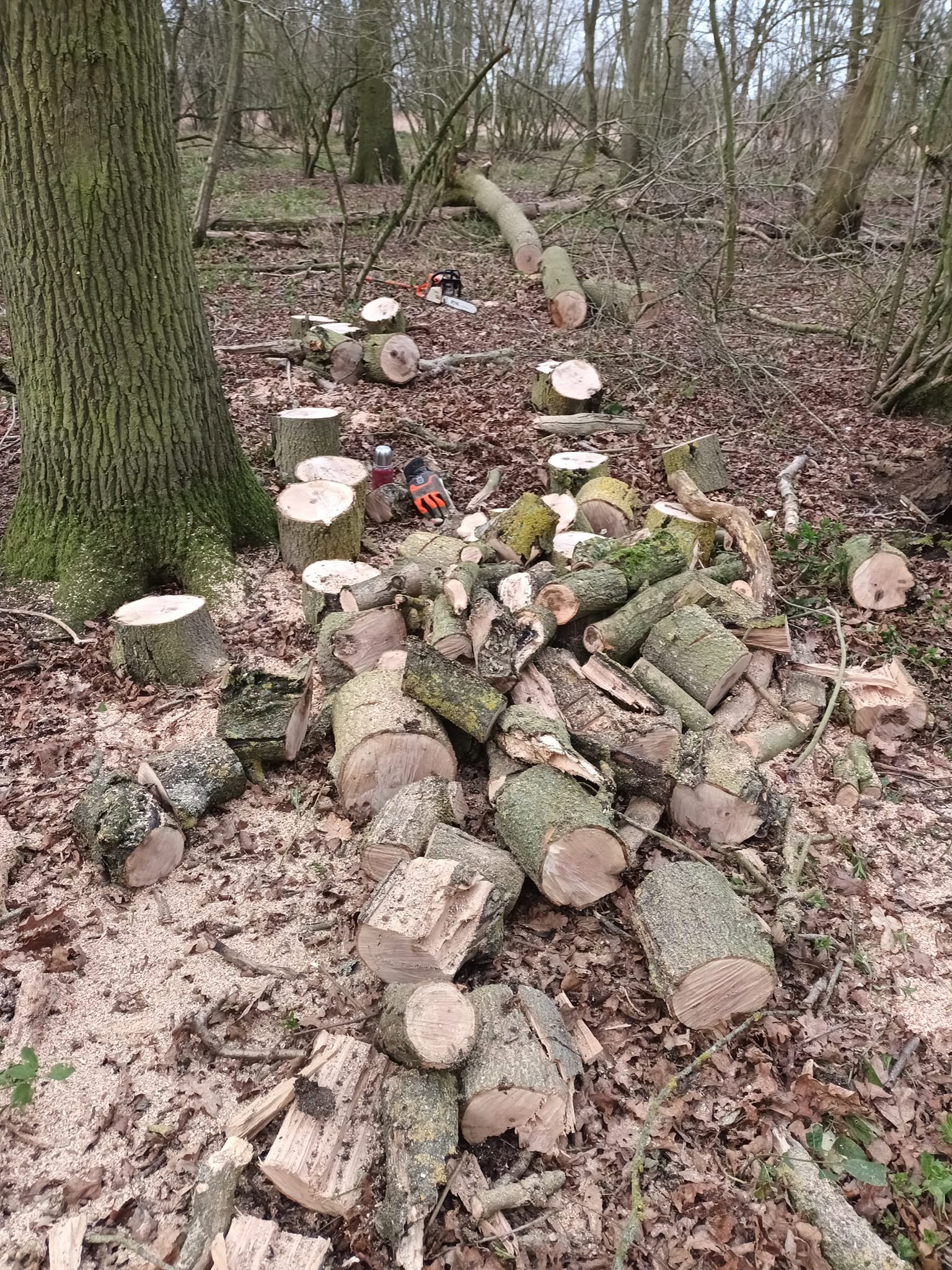
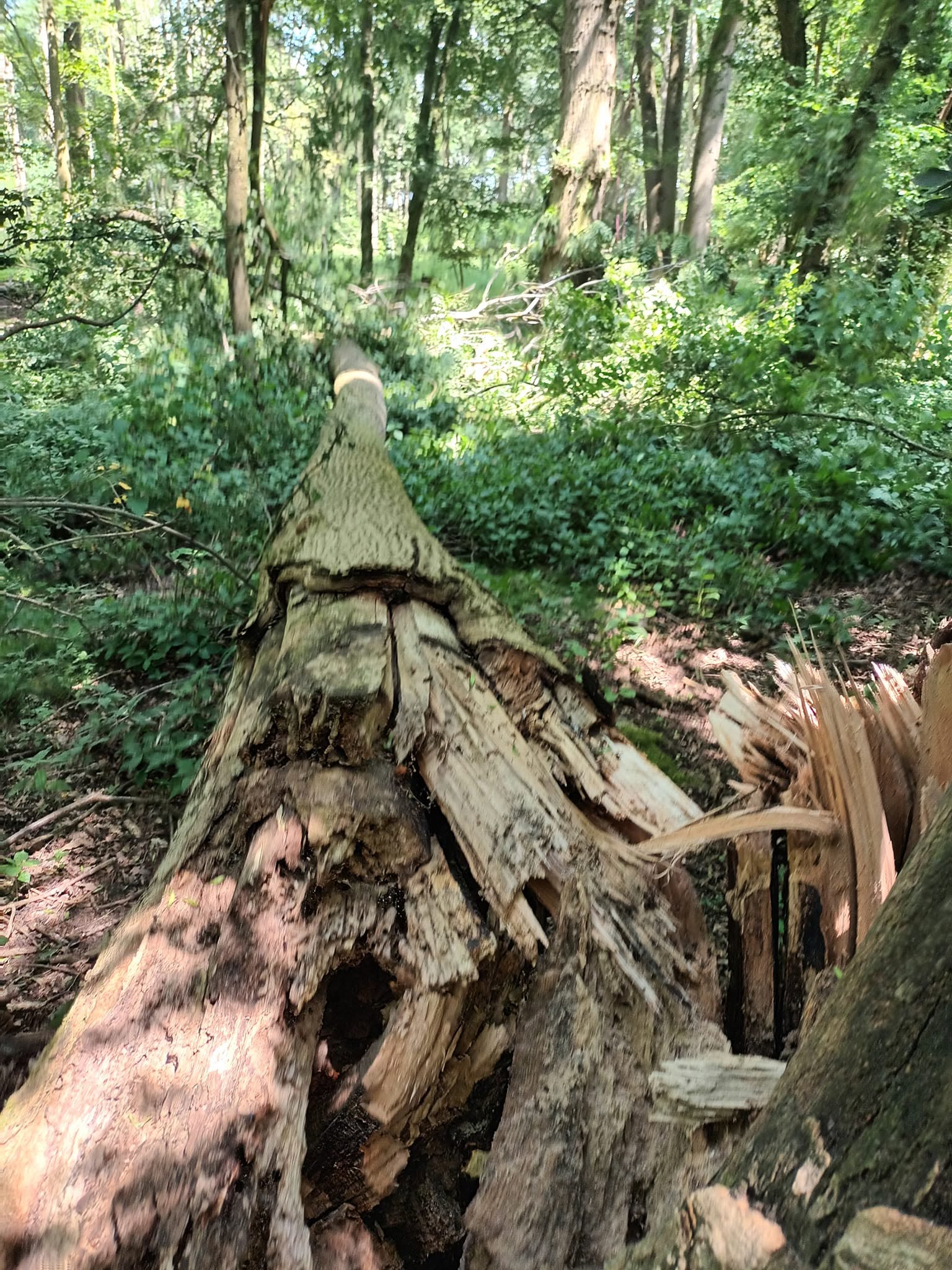
Since acquiring the site, we have invested significant time and resources into developing a long-term regeneration programme. Working closely with local woodland and conservation experts, we have undertaken extensive work to protect and enhance the woodland. This has included identifying and preserving healthy trees, selectively felling those beyond recovery, and replanting areas where tree health was poor.
A key part of the project has involved coppicing hazel and other smaller trees to increase light levels within the woodland. This has transformed the habitat, encouraging a greater diversity of plant and animal life. We have also created woodland rides and glades, which have led to noticeable increases in bird and butterfly populations. The addition of ponds has further enriched the site, providing valuable habitats for a wide range of species.
Like many woodland owners across the UK, we face the challenge of ash dieback disease (Chalara), which continues to threaten ash trees nationwide. To mitigate the impact of this disease, we have proactively replanted more than 400 native and complementary tree saplings at our own expense. Species include oak, hornbeam, wild cherry, sweet chestnut, larch and Scots pine, all selected to support biodiversity and promote the woodland’s long-term resilience.
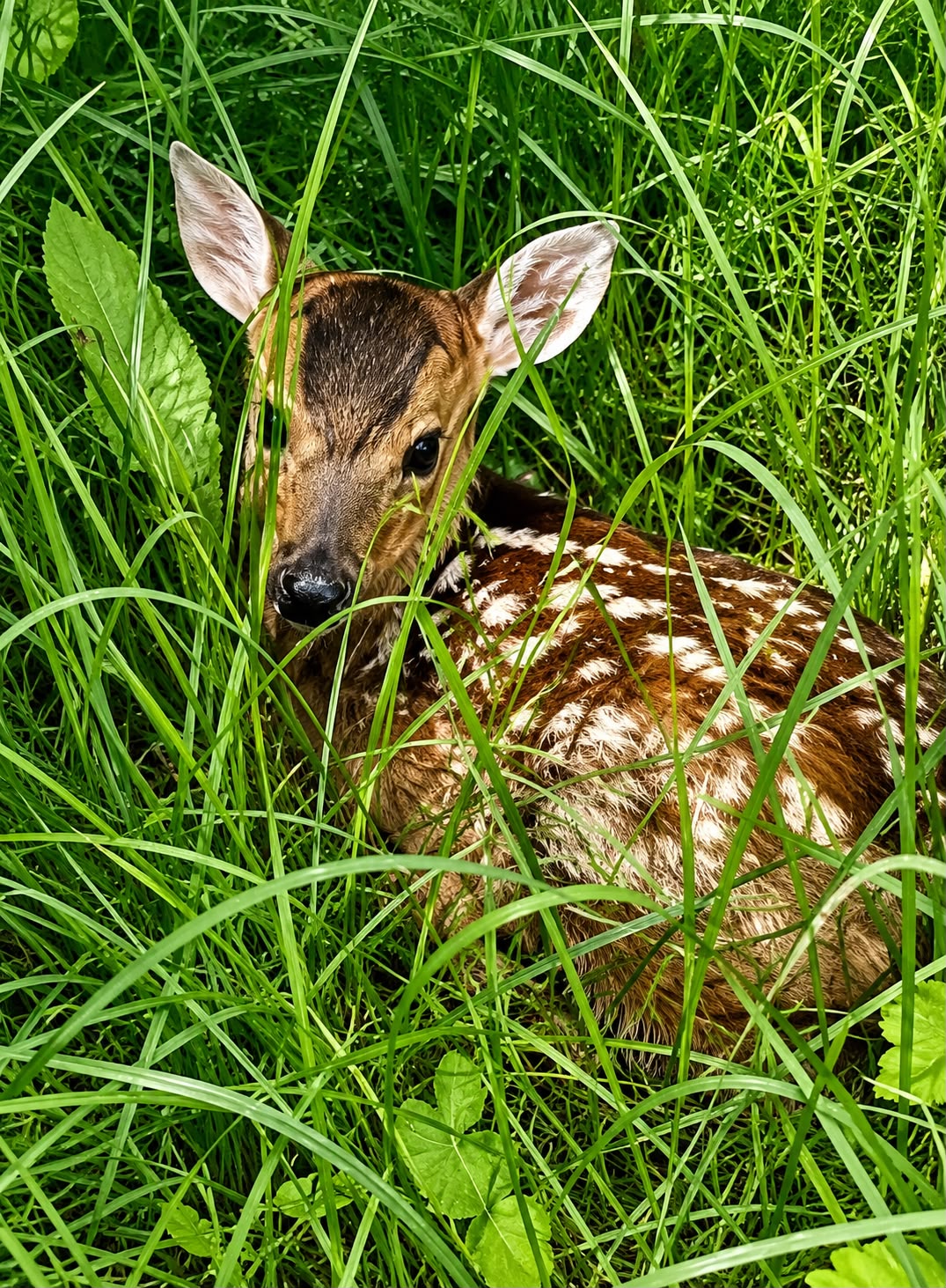


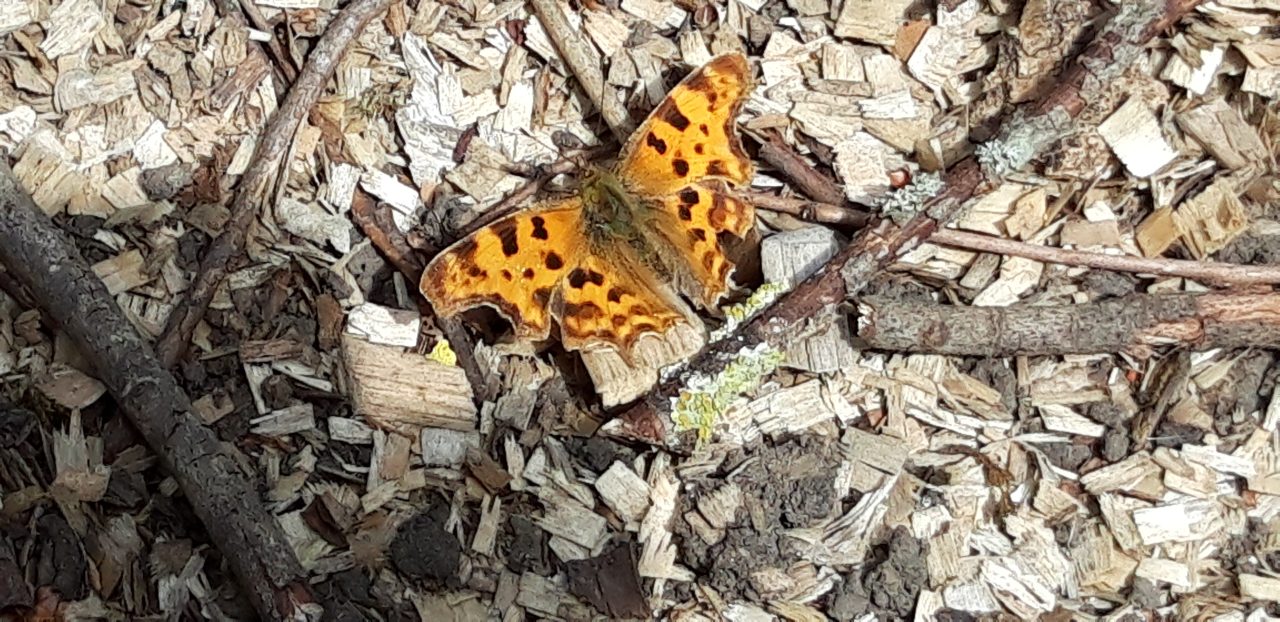

The restoration of Outfield Wood has led to a noticeable increase in wildlife across the site. The woodland is now home to a wide variety of birds, butterflies, insects, and mammals, benefiting from the diverse habitats created through sensitive woodland management, coppicing, open glades, and newly established ponds. A diverse range of tree species can be found throughout the woodland, including oak, hornbeam, silver birch, and field maple, helping to support a rich and varied ecosystem.
Among the woodland’s most regular visitors are herds of fallow deer, often seen moving quietly through the trees. Photographic evidence has captured healthy fawns thriving within the woodland, demonstrating the quality of the habitat and the abundance of food and shelter available.
The woodland also supports a range of bird species, including woodpeckers, jays, tits and other woodland birds that benefit from the mixture of mature trees, open rides, and regenerating understorey. This year has marked a particularly exciting milestone, with red kites nesting in the woodland for the first time and successfully raising two healthy fledglings.
Butterflies and pollinating insects have become increasingly abundant in sunny woodland clearings. Alongside many common species, surveys have recorded the Silver-washed Fritillary, Purple Hairstreak and White Admiral butterflies, all indicators of a healthy and diverse woodland environment.
The ponds have developed into valuable wildlife habitats, attracting frogs, dragonflies, and a variety of aquatic species. Most notably, they have provided suitable conditions for the great crested newt, a protected species that has become increasingly rare in many parts of the UK. Woodland habitats of this type also provide important refuge for bats, hedgehogs, and a variety of small mammals.
The return and continued presence of wildlife at Outfield Wood demonstrates the positive impact of our long-term conservation efforts. By creating a mosaic of habitats and encouraging natural regeneration, we are helping to support biodiversity and ensure that the woodland remains a thriving environment for native species for generations to come.
Our woodland regeneration project reflects Verulam Scientific’s commitment to environmental and social responsibility. Through the restoration and ongoing management of Outfield Wood, we are creating a richer, more diverse ecosystem while making a meaningful contribution towards offsetting our carbon footprint. These efforts demonstrate our dedication to sustainability and our determination to leave a positive legacy for future generations.
Our commitment to responsible business practices extends beyond woodland conservation. In October 2025, Verulam Scientific was awarded the EcoVadis Committed Badge, recognising our progress in environmental, ethical and sustainable business performance. This achievement reflects our ongoing commitment to integrating sustainability into all aspects of our operations.
We are also actively working towards achieving ISO certification, further strengthening our environmental and quality management systems. While certification has not yet been finalised, we have formally committed to this journey through a Letter of Intent and continue to develop and implement the processes, controls and best practices required to meet internationally recognised standards.
Looking ahead, we are committed to deepening our environmental, social and corporate (ESG) responsibility across every part of our business. A key priority is to further reduce and offset the environmental impact of our operations. Our long‑term objective is to calculate the annual business travel mileage of our engineers and sales teams and offset the associated carbon emissions through verified carbon‑offset schemes, alongside continued investment in our woodland regeneration project at Outfield Wood. By creating and maintaining resilient woodland habitats, planting additional trees and enhancing biodiversity, we aim to make a measurable contribution toward balancing the environmental footprint of necessary business travel.
Beyond environmental stewardship, we recognise our responsibility to support the wellbeing of our people and the communities we serve. We are committed to fostering an inclusive, safe and supportive working environment. At the corporate level, we will continue to uphold transparent governance practices, ethical decision‑making and responsible supply‑chain management to ensure our actions align with our values.
Together, these initiatives reinforce our belief that sustainable business is not simply about reducing impact, but about taking meaningful, measurable actions that benefit the environment, empower our people, support our communities and uphold strong corporate governance for future generations.
© 2026 Verulam Scientific. SEO by Wildcat.co.uk | Hosting by Krystal